

Struggling to Drive at Night? What Glare, Halos, and Blurry Vision Could Mean for Ukiah Drivers
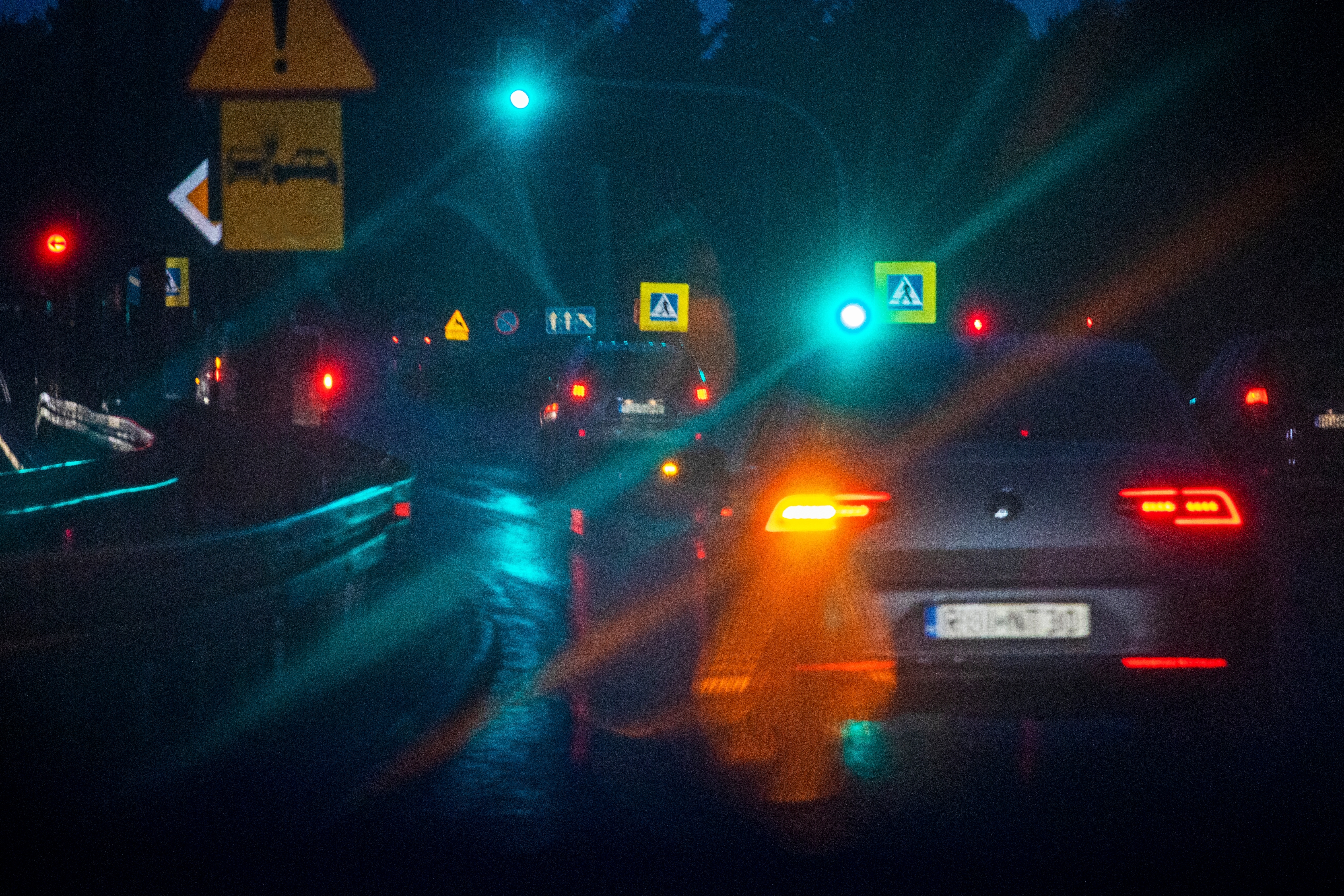
Driving at night can become increasingly difficult when headlights appear unusually bright, streetlights develop halos, or road signs look blurry. For drivers in Ukiah, CA, these symptoms can make navigating dark roads and busy intersections uncomfortable and potentially unsafe.
While some changes in nighttime vision occur naturally with age, persistent glare, halos, and blurry vision may indicate an underlying eye condition. Understanding these symptoms can help you recognize when it's time for a comprehensive eye exam.
Why Does Night Driving Become More Difficult?
Your eyes work differently in low-light conditions. As your pupils expand to allow more light in, focusing imperfections and light scattering can become more noticeable. This can make it harder to distinguish objects, judge distances, and adjust to approaching headlights.
Night driving difficulties may develop gradually, making them easy to overlook until they begin affecting your confidence behind the wheel.
Common Causes of Glare, Halos, and Blurry Vision
Several vision problems and eye conditions can contribute to difficulty driving at night, including:
· Astigmatism: An irregularly shaped cornea or lens can cause lights to appear stretched, streaked, or surrounded by halos, particularly after dark.
· Dry Eye Disease: An unstable tear film can scatter light and cause fluctuating blurry vision, glare, and increased sensitivity to headlights.
· Cataracts: Clouding of the eye's natural lens can increase light scattering, making oncoming headlights appear excessively bright or surrounded by halos.
· Outdated Glasses Prescription: Even small changes in nearsightedness, farsightedness, or astigmatism can make nighttime driving more challenging.
· Eye Health Conditions: Certain eye conditions can affect contrast sensitivity, peripheral vision, or the ability to see clearly in dim lighting.
Identifying the underlying cause is important because different vision problems require different approaches to treatment.
When Should You Schedule an Eye Exam?
Occasional difficulty adjusting to bright headlights may not indicate a serious problem. However, persistent or worsening nighttime vision symptoms deserve professional attention.
If you regularly struggle to read road signs, experience excessive glare from headlights, or notice halos around streetlights, a comprehensive eye exam can help determine what's affecting your vision.
At Park Optometry, we evaluate your prescription and overall eye health to identify potential causes of night driving difficulties. Our Ukiah eye care team can assess conditions such as dry eye, cataracts, and refractive errors that may contribute to these symptoms.
Sudden halos accompanied by severe eye pain, redness, headache, or nausea require immediate medical attention, as they can indicate an eye emergency.
Tips for Safer and More Comfortable Night Driving
Simple adjustments may help reduce nighttime visual discomfort, depending on the cause. Keeping your windshield, headlights, and eyeglass lenses clean can minimize unnecessary light scattering. If you wear prescription glasses, making sure your prescription is current can also improve visual clarity.
Anti-reflective coatings on prescription lenses may reduce distracting reflections, although they cannot correct underlying eye conditions. Avoid relying on yellow-tinted night driving glasses, which can reduce the amount of light reaching your eyes.
If glare or blurry vision makes it difficult to see pedestrians, lane markings, or approaching vehicles, avoid driving at night until your vision has been evaluated.
Get Your Night Vision Checked in Ukiah, CA
If glare, halos, or blurry vision are making nighttime driving more difficult, schedule a comprehensive eye exam at Park Optometry in Ukiah, CA, by calling (707) 313-8019 to identify potential vision problems and explore appropriate treatment options.

All Eye
Care Services

Keep
In Touch
MAP
Powered by: 